

AMETEK technologies enable critical functions – enabling more resilient, reliable, and sustainable infrastructure and operations.
Innovations Across the Data Center Ecosystem
Enabling Efficient Power Generation & Distribution






Rugged Innovations for Microgrid & Gas Turbine Power





Precise Thermal Management for Continuous Operation



Powering Gray Space Applications
Protecting White Space Infrastructure



Model & Simulate Data Center Systems Before Deployment


Solutions Powering Reliable Performance
Read the stories below to learn about AMETEK data center solutions in action.
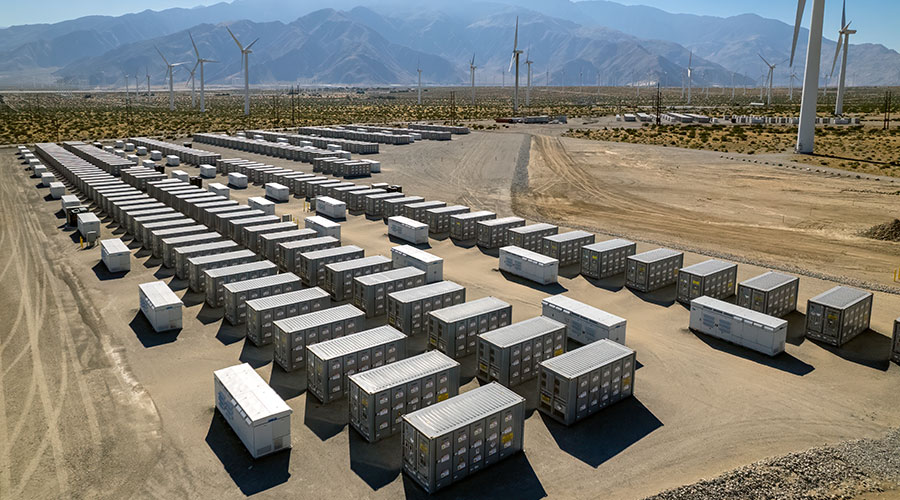
Reliable, resilient power management for data centers
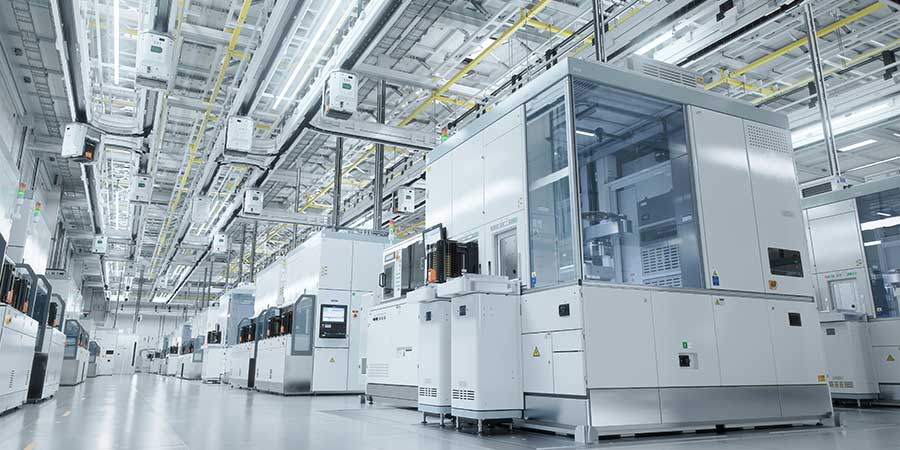
Thermal management solutions ensure always-on semiconductor manufacturing for data centers
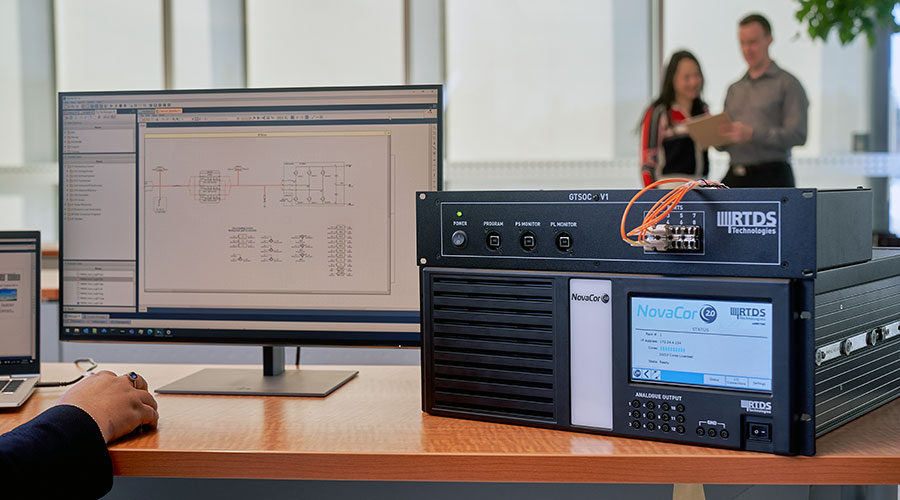
De-risking data center power management with real-time simulation
Frequently Asked Questions
-
Data center power generation and efficiency rely on technologies that protect on-site generation, convert and condition power, and optimize cooling and energy use. For on-site generation and microgrids, this includes gas turbine thermocouples, turbine cables, vibration sensors, and guided wave radar level instruments, plus continuous emissions monitoring (CEMS) components with insulated sampling enclosures. Generator support systems such as pre-lube motors, oil-mist evacuation blowers, and winterization keep backup power ready.
For power quality and continuity, uninterruptible power supplies (UPS), power inverters, and 800V DC-DC converters for high-voltage DC (HVDC) architectures deliver clean, reliable power from the grid to the rack. To improve efficiency, revenue-grade meters and fault recorders measure and time-stamp energy flow, high-airflow fans and chiller level transmitters support cooling, and computational fluid dynamics and real-time grid simulation help validate designs before they're built. -
Gas turbines used for distributed, on-site data center power depend on technologies that monitor turbine health, control emissions, and protect critical systems. Thermocouples and turbine cables measure temperature, vibration sensors track mechanical condition, and guided wave radar level instruments monitor turbine auxiliary systems such as lube oil. Continuous emissions monitoring system (CEMS) components, housed in insulated sampling enclosures, help operators verify permit compliance in any climate.
Supporting technologies keep the whole plant reliable. Rugged uninterruptible power supplies (UPS) protect turbine and plant controls, and inverters convert DC backup into clean AC. Fault recorders capture time-stamped disturbances, and revenue-grade meters measure energy with high accuracy. Oil analysis supports onsite predictive maintenance, while level transmitters and switches monitor feedwater, oil, and heat recovery steam generator (HRSG) systems. Together, these technologies help gas turbine microgrids deliver dependable power close to the data center. -
Gray space systems in a data center rely on technologies that keep power conversion, backup generators, and chiller infrastructure running reliably. The gray space houses the electrical and mechanical equipment that supports IT operations, bridging the grid to the white space where servers run.
For power, 800V DC-DC converters support high-voltage DC (HVDC) power distribution architectures. For generators, pre-lube motors prepare engines for fast, reliable starts, and regenerative blowers evacuate oil mist from generator systems. Winterization solutions, including freeze protection for generators and diesel exhaust fluid (DEF), keep backup power ready in cold weather. For cooling, capacitance level transmitters monitor chiller refrigerant levels, and chilled fluid loops circulate coolant through chiller systems. -
Power at the rack level is protected and conditioned by uninterruptible power supplies (UPS) and power distribution units (PDUs) that deliver clean, stable power to servers and IT equipment. The white space is where those servers run, so any disturbance at the rack can interrupt mission-critical workloads. Rack-level UPS systems provide backup power, keeping equipment running through outages and bridging the gap until generators take over. PDUs distribute power to each device in the rack and condition it along the way, so equipment receives clean power rather than the disturbances that can damage hardware or cause downtime. Together, these technologies give each rack its own layer of protection beyond the facility's central power systems.
-
Data center infrastructure is designed and validated using 3D scanning, simulation, and real-time testing that let teams capture existing conditions, model performance, and confirm system behavior before deployment. These technologies reduce risk by finding problems in the design phase rather than after commissioning.
During design, automated 3D scanning documents buildings, components, and layouts so teams work from accurate as-built conditions. Computational fluid dynamics (CFD) simulation models airflow and cooling performance, and can also be used to assess structural reliability. During validation, a real-time grid simulator supports hardware-in-the-loop (HIL) testing, where actual control and protection equipment is connected to a simulated power system. This lets teams model grid and facility behavior, test fault scenarios, and verify system responses before equipment is energized. -
AMETEK holds a strategic position across a broad range of specialized technologies. That position spans the entire data center ecosystem, from the grid and generation through gray space, white space, and pre-deployment simulation. AMETEK brings proven experience and technologies designed to support mission-critical infrastructure and operations.
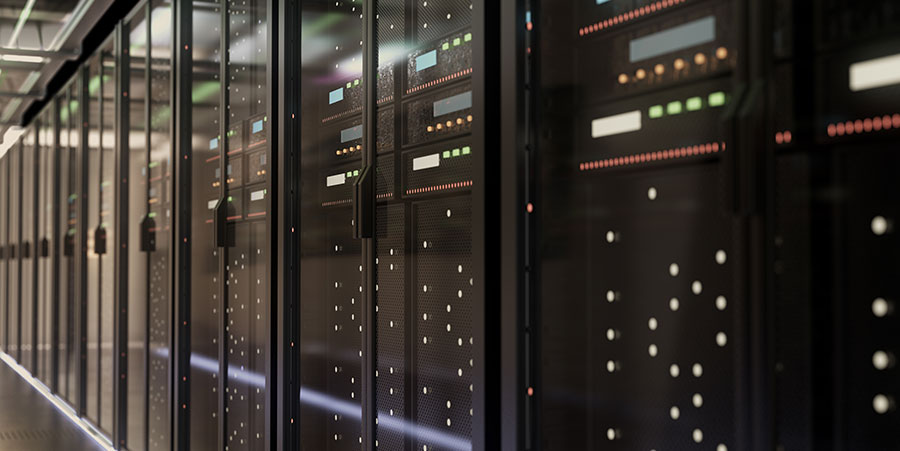
Interested in AMETEK's Data Center Solutions?
Whether you're designing new capacity, validating power systems before deployment, or protecting critical equipment at the rack, AMETEK offers differentiated technologies across the full data center ecosystem.
CONTACT US